How Much Does a Bathroom Remodel Cost on Long Island? A Valley Stream Homeowner's Guide
How much does bathroom remodeling cost on Long Island? See what drives the price in Valley Stream homes and how to read a quote with confidence.
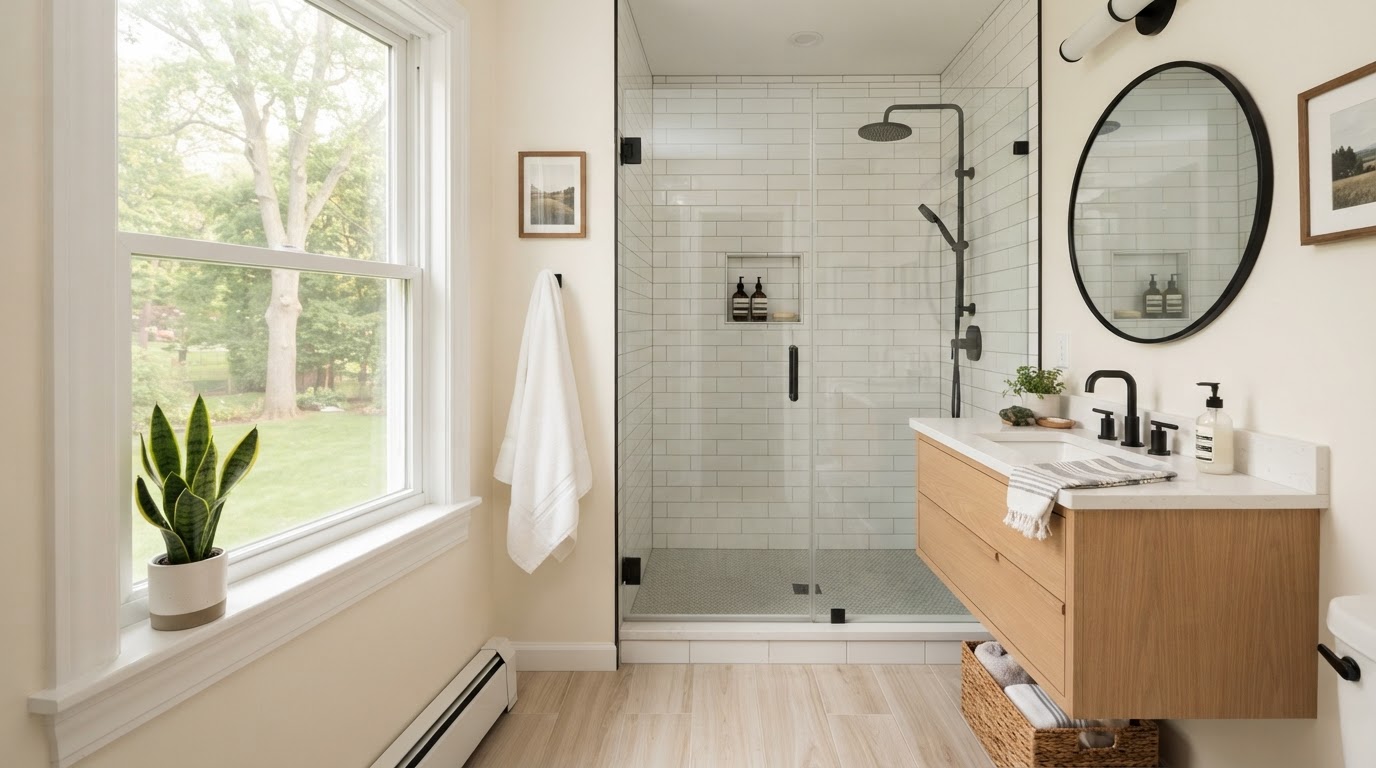
If you've ever said "we really should redo the bathroom" and then gone quiet when the price question came up, you're in good company. How much does bathroom remodeling cost? It's the first thing Valley Stream homeowners ask, and it's the one question no honest contractor can answer with a single number over the phone.
That's not a dodge. Two bathrooms that look identical from the doorway can end up with very different totals once you factor in what's behind the walls, what's under the floor, and which fixtures and tile you fall in love with. So instead of tossing out a figure that may not fit your home, this guide walks through what actually moves the price of bathroom renovations on Long Island. By the end, you'll be able to read any quote with confidence and spot what's missing from it.
Why There's No One-Size-Fits-All Price
Long Island housing is a mix. Mid-century Cape Cods and colonials in Valley Stream, Franklin Square, and Elmont sit alongside newer builds and houses that have been renovated several times over, and each comes with its own plumbing, framing, and layout. A small hall bath with a standard tub is a very different job from a primary bathroom where you want to remove the tub, extend the shower, and add a double vanity.
Think of the final price as the sum of a few decisions: how much you're changing, what you're putting in, who's doing the work, and what turns up once the old bathroom comes apart. Let's take those one at a time.
What Drives the Cost of Remodeling the Bathroom
1. Scope: refresh, remodel, or full gut
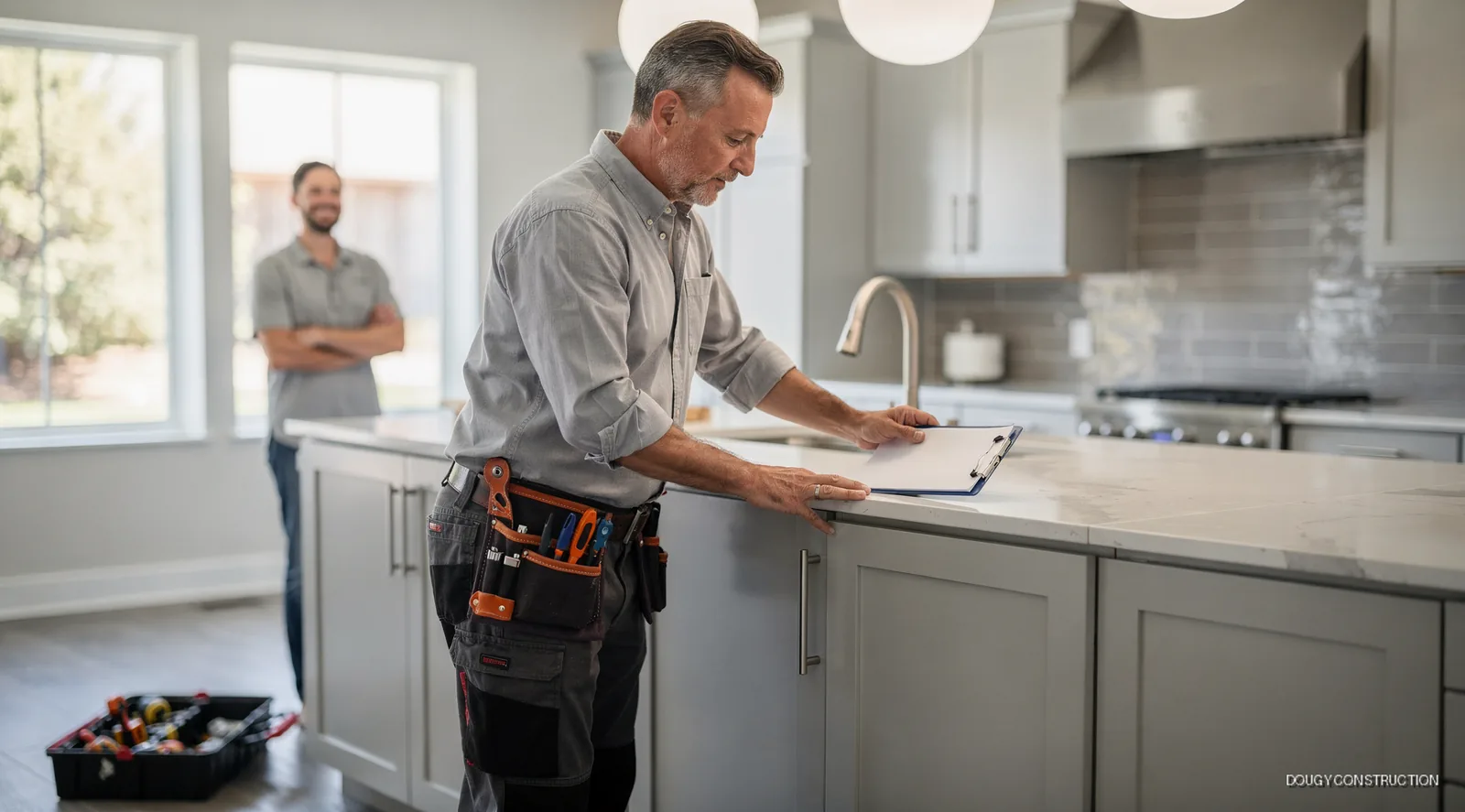
The biggest lever is how much you're changing. A refresh (new vanity, toilet, lighting, paint, maybe a reglazed tub) leaves the walls and plumbing alone. A full remodel might swap the tub for a walk-in shower, replace all the tile, and update the electrical. A gut renovation strips everything to the studs and rebuilds. Each step up adds trades, materials, and days on site. Before you ask anyone for numbers, decide which of these you're really after. It saves time and makes quotes far easier to compare.
2. Layout changes
Keeping the toilet, sink, and shower where they are is almost always the more economical path. Moving them means rerouting supply and drain lines, and sometimes opening floors or adjusting framing. That doesn't make a new layout a bad idea. In a tight bathroom it can be the whole point of the project. It's just worth knowing it's a cost decision, not only a design one.
3. Fixtures
Faucets, showerheads, toilets, and valves range from simple and sturdy to designer and digital. A basic fixture set and a thermostatic shower system with multiple outlets sit at opposite ends of a budget. One practical tip: choose fixtures together with your contractor, not before. Rough-in dimensions and valve compatibility matter, and a beautiful online purchase that doesn't match your wall setup turns into an expensive headache.
4. Tile and surfaces
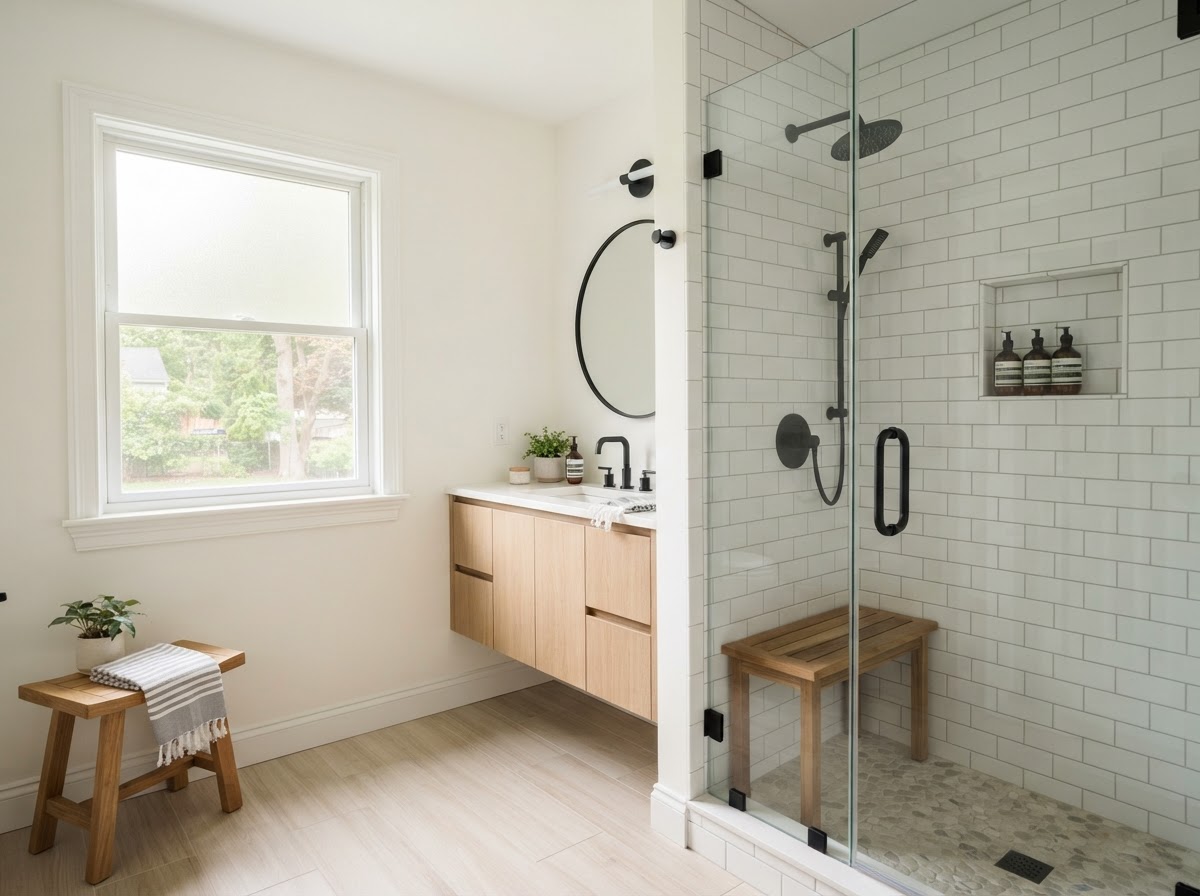
Tile is where personality shows up, and where budgets get stretched. Cost depends on the material (ceramic, porcelain, natural stone), the size and pattern, and how much surface you're covering. Small tiles, intricate patterns, and diagonal layouts take more labor than large, simple formats.
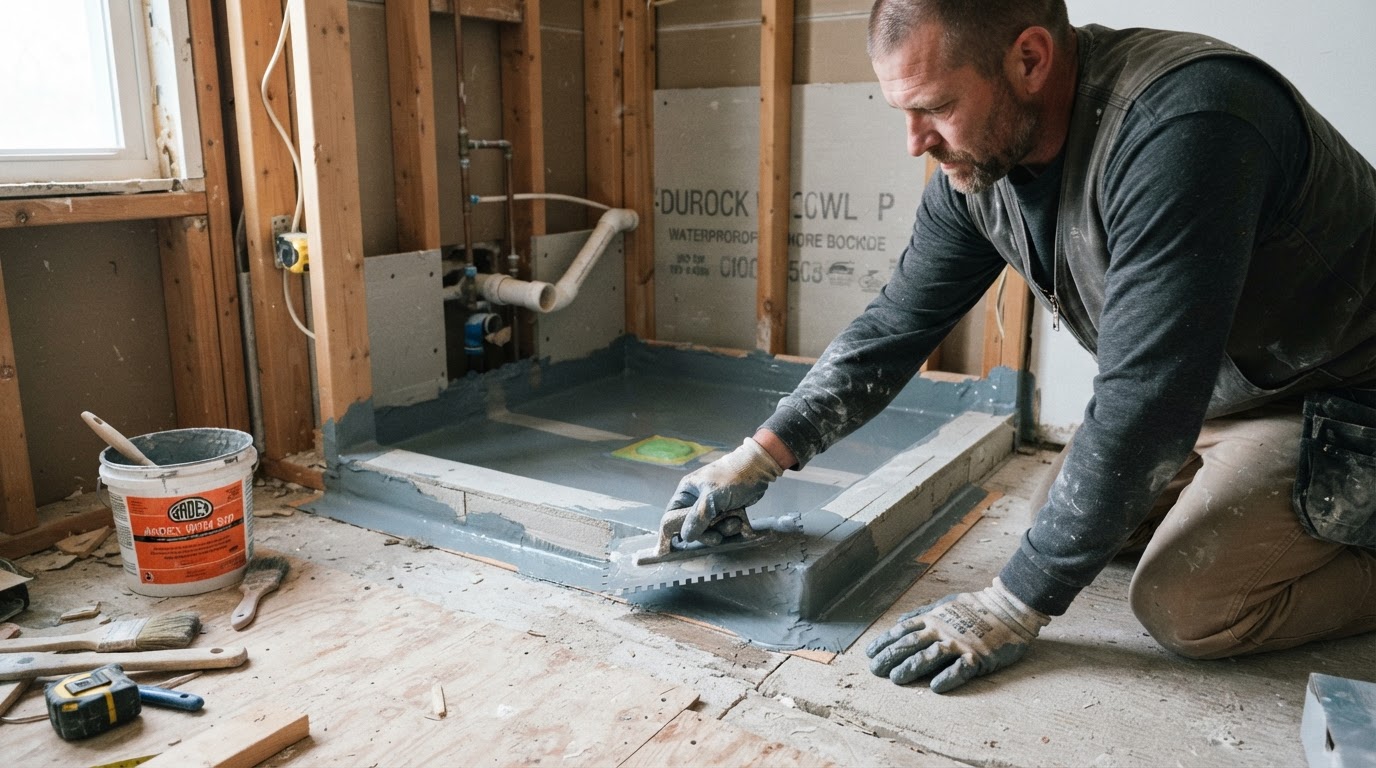
Then there's the work nobody sees: cement board, waterproofing membranes, and proper slope in the shower floor. That's what keeps your bathroom dry for decades, and it's not the place to economize.
5. Plumbing
Plumbing is often the most variable part of bathroom renovations. Older homes may have aging or galvanized pipes that need replacing once they're exposed. A tub-to-shower conversion may require a new drain location. Even a small change, like adding a second shower outlet, can change the scope. A good contractor will look at your existing plumbing before quoting and tell you plainly where there's uncertainty.
6. Electrical and ventilation
Bathrooms need GFCI-protected outlets, adequate lighting, and a properly sized exhaust fan that vents where it should. Add heated floors, a lighted mirror, or recessed lights, and the electrical scope grows. Ventilation deserves extra attention. Skipping it is how bathrooms end up with mold and peeling paint a few years later.
7. Labor
Labor reflects the trades involved: demolition, plumbing, electrical, framing, waterproofing, tile setting, carpentry, glass installation, and painting. Skilled tile and waterproofing work takes time to do right. When one quote looks far lower than the others, it often means a step was left out or time is being cut where it counts. That's why we suggest comparing what's included, not just the bottom line.
8. Hidden conditions
This is the one nobody can fully predict until demolition. Old tile can hide a soft subfloor from slow leaks. Walls can reveal rot, outdated wiring, or earlier patch jobs. Homes in Valley Stream, many built decades ago, are no exception.
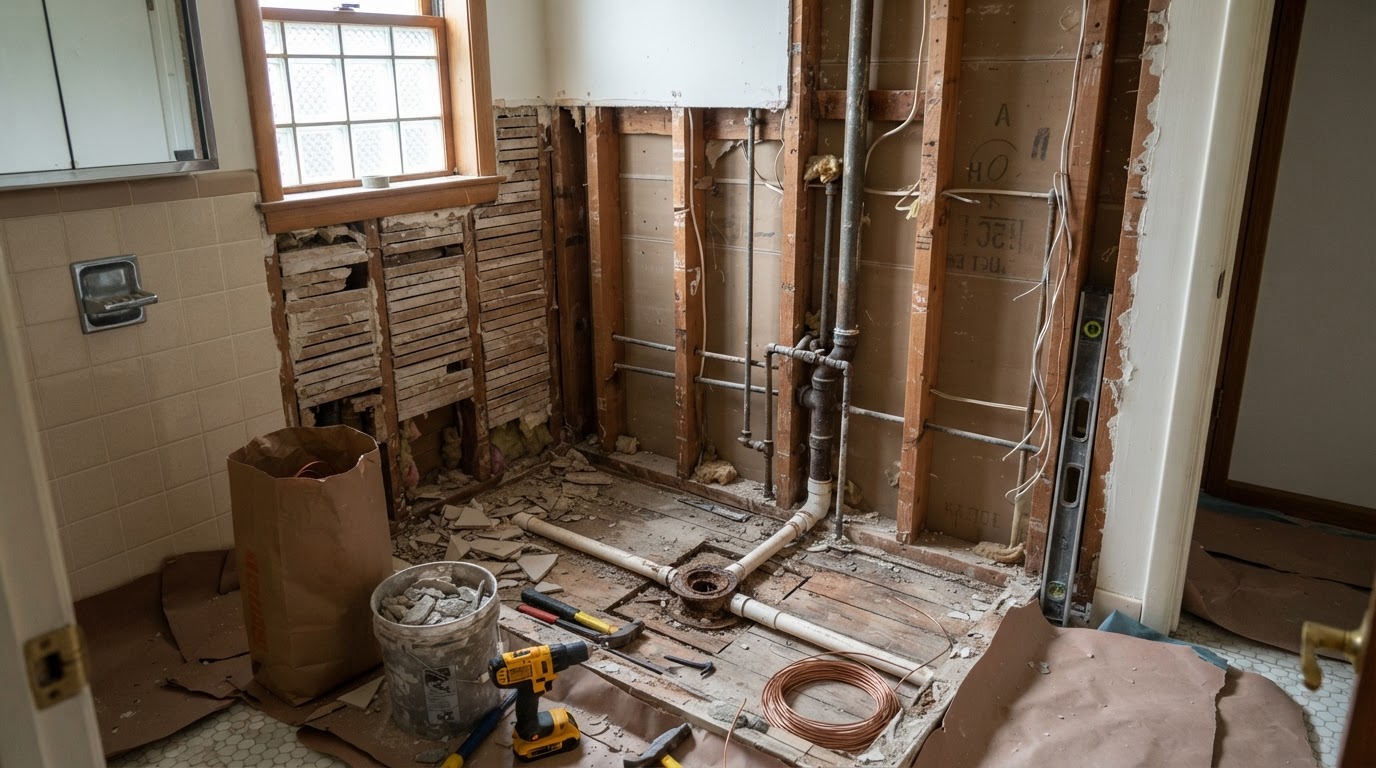
It's why a thorough on-site visit matters, and why a trustworthy contractor explains upfront how unexpected findings are handled and priced, rather than surprising you with a change order later.
9. Permits and inspections
Work that moves plumbing or alters the structure typically needs a permit and inspections through the village or town building department that covers your address. Cosmetic updates often don't. Requirements vary, so ask your contractor who handles permitting and whether it's included in the quote.
How to Read a Quote
Since this guide isn't handing you a number, here's something more useful: how to evaluate the numbers you receive.
- **Line-item detail.** Demolition, plumbing, electrical, tile, waterproofing, fixtures, vanity, glass, permits, and cleanup should each be spelled out. A single lump sum tells you very little.
- **Allowances.** If a quote includes an allowance for tile or fixtures, find out what it covers. If you choose something above it, the difference is yours to pay.
- **Who supplies materials.** Is the contractor ordering them or are you? Either can work, but someone needs to own lead times, especially for custom glass and specialty tile.
- **How surprises are handled.** Ask what happens if hidden damage turns up, and how the added work gets approved and priced.
- **License and insurance.** Verify both. This matters even more if you live in a co-op or condo, where boards often require proof.
- **Schedule and payments.** A clear timeline and a payment schedule tied to milestones are signs of a well-run project.
- **Warranty.** Ask what's covered on labor and materials, and for how long.
Where to Spend and Where to Save
A smart budget isn't about picking the cheapest option everywhere. It's about knowing where money works hardest.
- **Spend on what you can't see:** waterproofing, plumbing, and ventilation. Problems here are the costliest to fix later.
- **Save where changes are easy:** paint, accessories, and some fixtures can be upgraded down the road. Keep your layout if it works. Consider durable porcelain tile if it gets you the look you want without the cost and upkeep of natural stone. And working with a single contractor who manages every trade usually beats juggling a plumber, electrician, and tile setter yourself.
Frequently Asked Questions
How much does a bathroom remodel cost on Long Island?
It depends on scope, layout, materials, and what's hidden behind your walls. The only reliable answer comes from a contractor who has seen your space and itemized the work.
Does a bigger bathroom always cost more to remodel?
Not necessarily. A large bathroom with a simple layout can be easier to price than a small one with complicated plumbing or high-end finishes.
What's the difference between bathroom renovations and bathroom remodeling?
Most homeowners and contractors use the terms interchangeably. Strictly speaking, remodeling changes the layout or structure, while renovation updates or restores what's already there.
Why do quotes for the same project vary so much?
Differences usually come from what's included: waterproofing methods, fixture allowances, permit handling, and how hidden conditions are treated. Compare the details, not just the totals.
Should I plan for surprises?
Yes. Older homes especially can hide issues behind tile and walls. Ask your contractor how unexpected findings are handled so you can plan for them.
Ready for a Number That Fits Your Home?
The most useful price is one built around your bathroom, not an average. At Dougy Construction, a licensed and insured general contractor based in Valley Stream, we walk your space, talk through your goals, and put together a clear, itemized estimate so you know what you're paying for before work begins.
Request a project-specific estimate or learn more about our bathroom remodeling in Valley Stream, NY. Planning something bigger? Take a look at our complete house renovation services.
Call (631) 839-6476. 13 E Maple St, Valley Stream, NY 11580.
Ready to start your project?
Get a free estimate from Dougy Construction — NYC's trusted deck, fence, and renovation specialists.