How to Choose a Reliable General Contractor: A Homeowner’s Guide
A practical guide to hiring the right general contractor in Valley Stream and Long Island: licensing, contracts, communication, and what to look for before you sign.
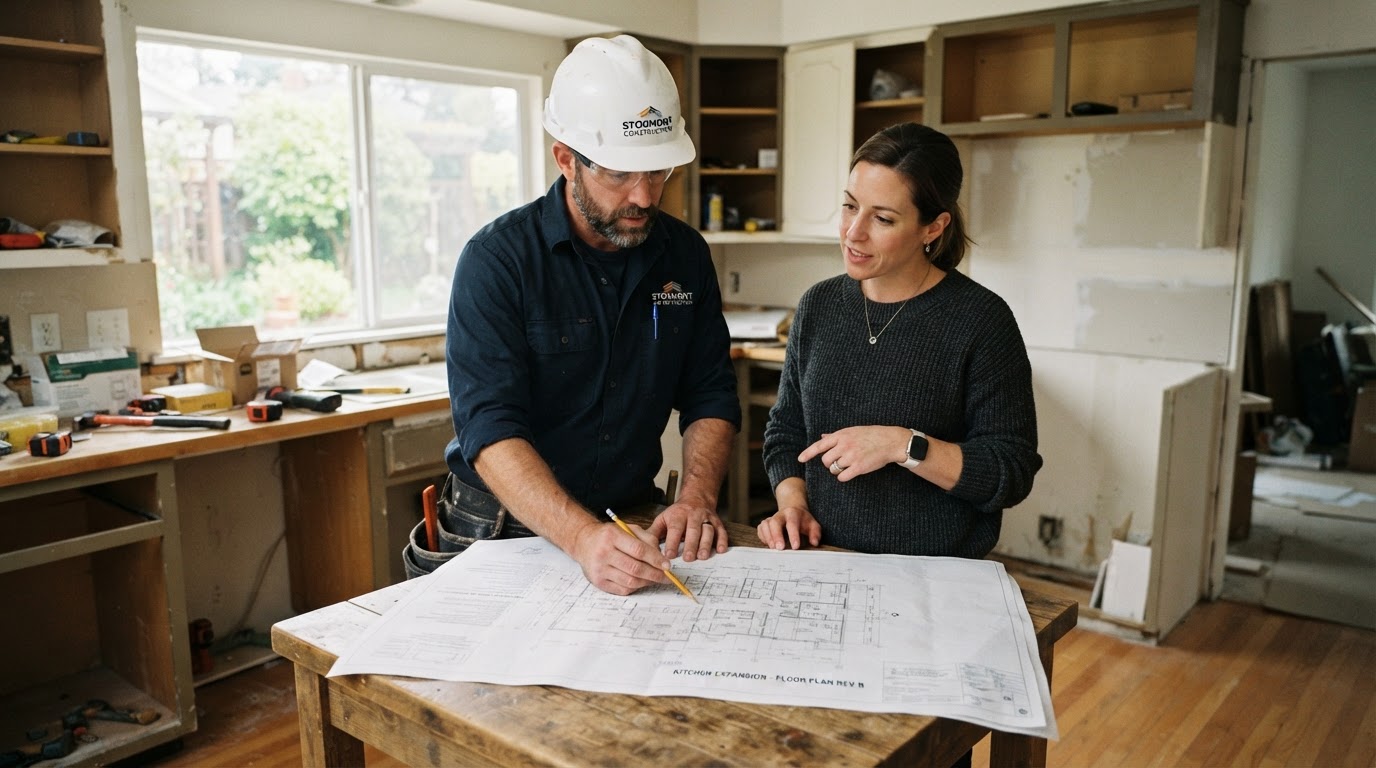
A major home renovation is exciting, but choosing the right contractor is one of the most important decisions you make before construction begins. Whether you're remodeling a kitchen, adding living space, renovating a bathroom, or improving your backyard, the contractor you hire shapes how smoothly the project moves from planning to completion.
A good general contractor coordinates the work, manages subcontractors, organizes permits and inspections, keeps the project moving, and addresses problems before they become expensive surprises. For homeowners in Valley Stream, Nassau County, and throughout Long Island, there are plenty of contractors to choose from. The challenge is finding one that fits your project, budget, expectations, and communication style.
What Does a General Contractor Actually Do?
A general contractor coordinates the different parts of a construction or remodeling project. Depending on the scope, that can include demolition, carpentry, plumbing, electrical work, flooring, painting, structural work, and other specialized trades. The contractor may also coordinate permits and inspections, schedule subcontractors, order materials, and oversee day to day work at the property.
Instead of communicating separately with an electrician, plumber, carpenter, and other tradespeople, you have one primary point of contact. That can make a significant difference on a complicated renovation. For example, a kitchen remodel may involve plumbing changes, new electrical work, cabinetry, flooring, and structural modifications. Those tasks need to happen in the right sequence, and a general contractor coordinates the moving parts so one trade doesn't unnecessarily delay another.
If you're planning a larger project, take a look at what a full house renovation contractor in Valley Stream typically manages, from kitchens and bathrooms to flooring, drywall, siding, roofing, and finishing work.
5 Things to Look for When Hiring a General Contractor
1. Verify Licensing, Insurance, and Other Credentials
Before signing a contract, find out exactly what credentials the contractor holds and what insurance coverage applies to your project. Ask about general liability insurance and workers' compensation coverage, and request current certificates of insurance when appropriate. You should also determine which licenses or registrations are required for the type of work being performed in your municipality.
Don't assume that a contractor's website or business card tells you everything you need to know. A professional contractor should be willing to explain their credentials and provide documentation when requested. Taking a little time to verify these details before work begins can help prevent major problems later.
2. Look at Recent Projects and Ask for References
Photos of previous projects can tell you a lot about a contractor's workmanship, but don't stop there. Look for projects that are similar to yours. If you're planning a whole home renovation, for example, ask to see comparable work rather than relying exclusively on photos of smaller remodeling jobs.
When possible, speak with recent customers and ask whether the contractor was easy to communicate with, how unexpected issues were handled, whether the job site was kept organized, and whether changes or additional costs were explained before work proceeded. These conversations can give you useful insight into what it's actually like to work with a company.
3. Read the Contract Before You Sign It
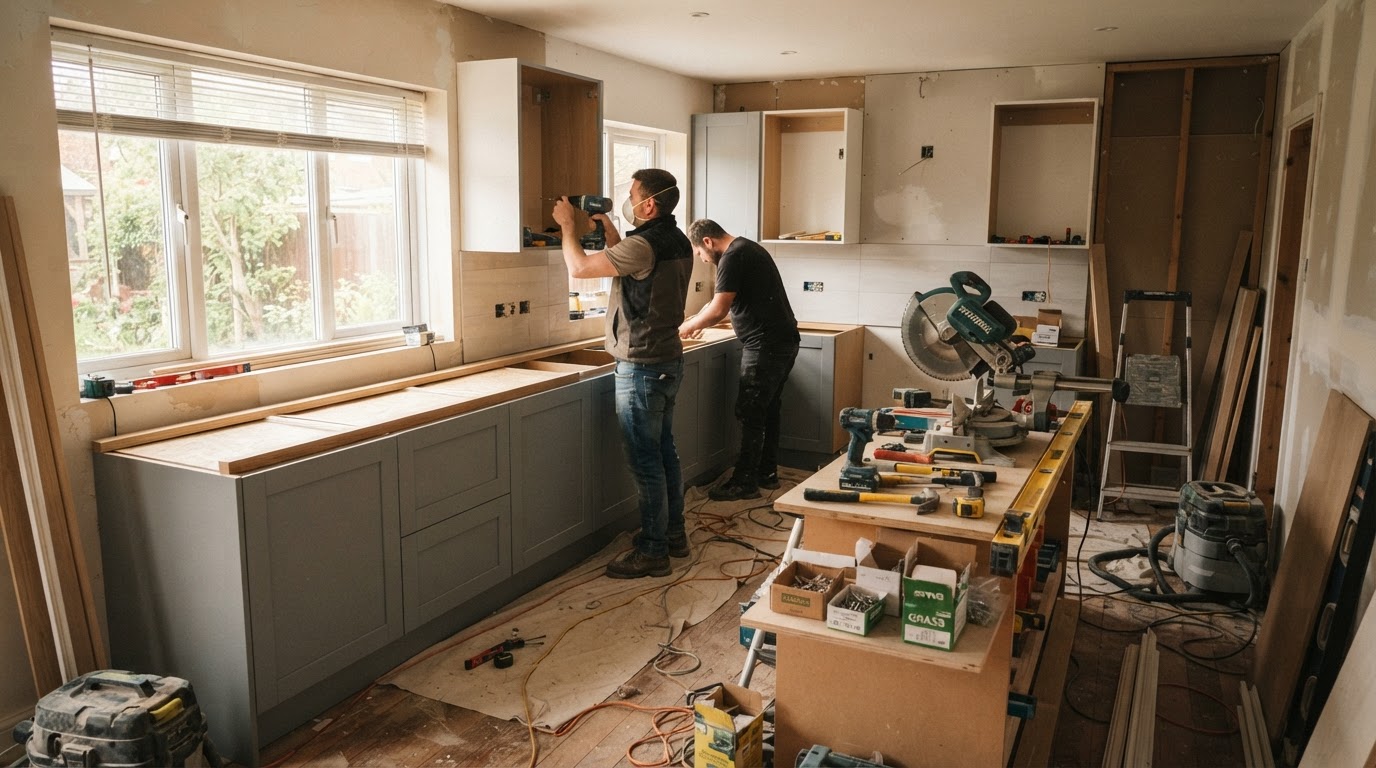
A detailed written contract protects both the homeowner and the contractor. Be cautious if you're given only a vague estimate or a verbal description of what the project will include. Renovations can involve dozens of individual tasks, materials, and decisions, so important details should be documented.
Your agreement should clearly explain the scope of work, materials, pricing, payment schedule, project responsibilities, and procedures for handling changes. Pay particular attention to what exactly is being demolished, built, installed, repaired, or finished; whether specific materials or products are identified; when payments are due; and how additional work will be priced if unexpected conditions are discovered. The more clearly these items are documented, the fewer opportunities there are for misunderstandings later.
4. Understand the Contract Structure
Not every renovation is priced or administered in exactly the same way. Understanding the basic contract structure can help you compare proposals more accurately.
With a fixed-price contract, the contractor agrees to a specified price for a defined scope of work. This can make budgeting easier when the design and specifications are well established, although changes to the original scope or unforeseen conditions may result in additional costs.
With a cost-plus contract, the homeowner generally pays the actual cost of labor and materials plus an agreed upon contractor fee or percentage. This approach can work for projects where the scope is difficult to define in advance, but it requires clear documentation and communication about costs.
You may also encounter general conditions, which cover administrative and operational requirements associated with managing a construction project. Depending on the agreement, these can include site access, working hours, temporary facilities, cleanup, safety procedures, supervision, and responsibilities between the homeowner and contractor. If any part of the agreement is unclear, ask the contractor to explain it before signing.
5. Pay Attention to Communication
A contractor can have excellent craftsmanship and still be difficult to work with if communication breaks down. Before hiring someone, ask how communication will work throughout the project. Who will be your primary contact? Will the owner manage the project, or will a project manager or site supervisor handle day to day operations? How often will you receive updates? How are questions and change requests documented?
There isn't one communication style that works for every homeowner. What matters is that expectations are established before construction starts. Regular updates can help you understand what has been completed, what's coming next, whether materials have arrived, and whether inspections or other milestones are scheduled.
Choose a Contractor With Experience Relevant to Your Project
General contracting covers a wide range of construction work, so look for experience that matches the complexity of your renovation. A kitchen renovation may involve cabinetry, electrical work, plumbing, flooring, and finish carpentry. A home addition can involve structural work, foundations, roofing, insulation, and extensive permitting. An outdoor renovation may require experience with decks, fencing, drainage, grading, and other exterior improvements.
The right question isn't simply, how long have you been in business? Ask, have you completed projects like mine, and can you show me examples? For homeowners considering an outdoor living project, you can also review Dougy Construction's custom deck services, which cover wood and composite decks, railings, stairs, and other outdoor features.
Interior and Exterior Renovations Under One Roof
One advantage of working with an experienced general contracting company is the ability to coordinate several improvements as part of a larger renovation plan. A homeowner might begin with a kitchen or bathroom remodel and later decide to improve the backyard, siding, roofing, or other exterior areas. Coordinating related work through one company can make it easier to maintain a consistent plan, schedule, and point of contact.
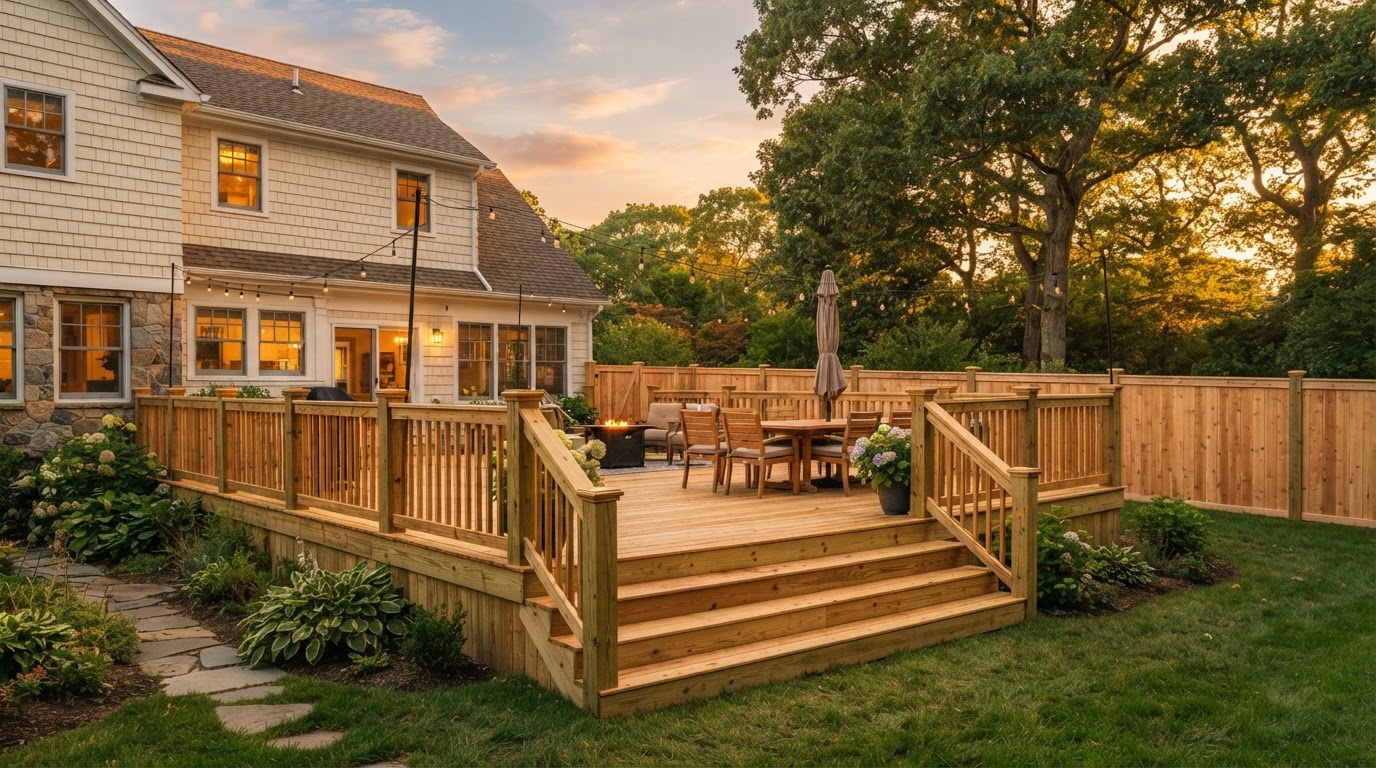
Outdoor improvements can also complement an interior renovation. A new deck can create additional space for entertaining, while a well-built fence can improve privacy and define the property's outdoor areas. When these improvements are planned together, the result can feel more cohesive than completing each project independently. If fencing is part of your renovation plans, Dougy Construction also provides wood fence installation in Valley Stream, including privacy and picket styles, gates, staining, sealing, and removal of existing fencing.
Red Flags to Watch For
You don't need to be a construction expert to recognize potential warning signs. Be cautious if a contractor requests an unusually large payment before work begins, is unwilling to provide a written contract, gives an estimate that is dramatically lower than comparable proposals without explaining why, or is vague about insurance and required credentials.
You should also be cautious if a contractor encourages you to skip required permits, avoids explaining how changes to the original scope will be priced, or has difficulty providing recent references or examples of similar work. One inexpensive bid isn't necessarily a better bid. When comparing contractors, look at the complete proposal, scope of work, materials, communication process, experience, and contractual terms, not just the final number.
Questions to Ask Before Hiring a General Contractor
Before making your final decision, ask each contractor the same basic questions:
- Are you insured for this type of work?
- Have you completed projects similar to mine?
- Who will supervise the project day to day?
- What is included in the written estimate?
- How are change orders handled?
- What payment schedule do you use?
- Who is responsible for permits and inspections?
- Can you provide references from recent customers?
- What is the expected project timeline?
Getting clear answers makes it easier to compare proposals based on more than price alone. For a deeper checklist, review the 10 essential questions to ask your general contractor before starting any project.
Plan Your Renovation Before Construction Begins
Good planning can make a renovation considerably easier to manage. Before work starts, define your priorities, establish a realistic budget, identify the areas of the home that will be affected, and decide which finishes and materials need to be selected in advance. For a larger project, a written checklist can help you keep track of the different stages of construction. Our full house renovation checklist covers interior and exterior planning, budgeting, project sequencing, and other considerations for a major renovation.
The same principle applies to outdoor projects. If you're considering a new deck, reviewing materials, permits, structural requirements, and maintenance expectations before construction can help you make better decisions. Our custom deck building guide provides additional planning information for homeowners.
Choosing General Contracting Services in Long Island
A home renovation represents a significant investment, so the contractor you choose should be someone you feel comfortable trusting with your property. For homeowners in Valley Stream, Nassau County, and surrounding Long Island communities, Dougy Construction provides general contracting and home improvement services focused on interior renovations, exterior improvements, custom decks, and wood fencing. We are licensed and insured and offer free written estimates with no obligation.
From an interior remodel to a new deck or fence, the goal is to make the construction process easier to understand from the initial consultation through completion. Start by defining your goals, setting a realistic budget, and gathering detailed proposals from qualified contractors. Take the time to compare what's actually included in each proposal rather than choosing solely on the lowest price. The right contractor should be able to explain the process clearly, document the work thoroughly, communicate consistently, and give you confidence in how your project will be managed.
Ready to Discuss Your Renovation?
Planning a renovation in Valley Stream or elsewhere on Long Island? The right general contractor makes your project feel manageable instead of stressful. With 15+ years of experience, 500+ completed projects, and a 5.0 rating, Dougy Construction brings honest pricing, skilled craftsmanship, and clear communication to every job.
Request a free estimate from Dougy Construction to discuss your project, goals, and next steps, or call us directly at (631) 839-6476. We'll respond within one business day with clear next steps. No obligation, no pressure, just honest advice from your local Valley Stream contractor.
Ready to start your project?
Get a free estimate from Dougy Construction — NYC's trusted deck, fence, and renovation specialists.