How to Choose the Right Home Renovation Contractor in Manhattan, NY
Find reliable home renovation services in Manhattan, NY. Learn how to compare contractors, check credentials, understand costs, and plan your renovation.
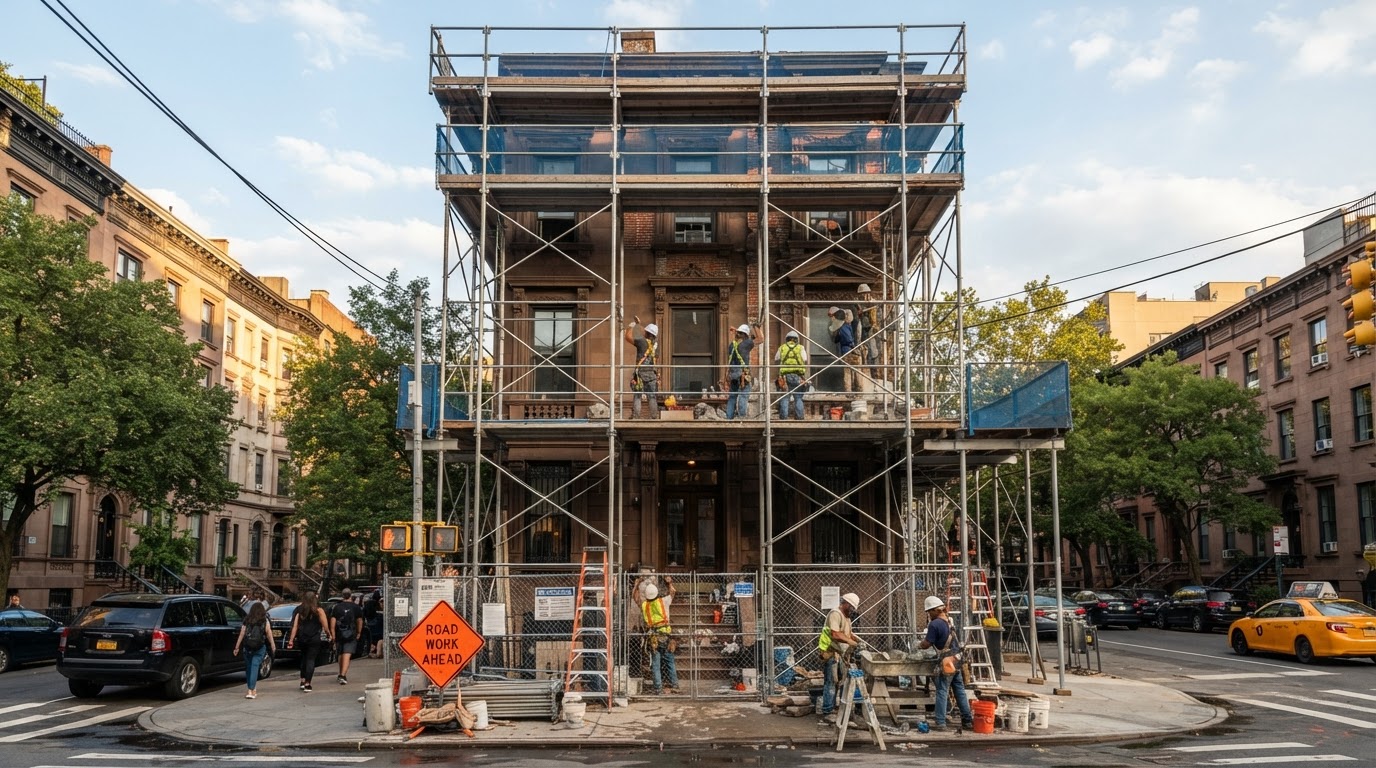
Renovating in Manhattan is an exciting opportunity to create a space that feels more comfortable, functional, and personal — but it's also one of the most regulated construction environments in the country. Whether you're planning a complete house renovation, updating a kitchen, remodeling a bathroom, or transforming an older apartment into a modern living space, choosing the right home renovation contractor in Manhattan is the decision that shapes everything that follows.
Manhattan renovation projects come with unique challenges that suburban contractors rarely face: older buildings with aging infrastructure, limited space, strict building regulations, co-op and condominium approval processes, and tight logistics for deliveries and debris removal. A contractor who understands these local considerations can help you avoid unnecessary delays, unexpected expenses, and communication problems.
If you're searching for home renovation services in Manhattan, NY, the goal shouldn't simply be to find someone who can start work quickly. You need a Manhattan renovation contractor who understands your goals, communicates clearly, manages the project responsibly, and delivers quality workmanship. This guide walks through the essential steps to help you choose the right home renovation services for your Manhattan property.
1. Define Your Renovation Goals Before Hiring a Contractor
Before contacting contractors, take time to determine what you actually want to accomplish. Are you planning a small apartment renovation or a complete transformation? Do you want to modernize an outdated interior, improve functionality, increase storage, or prepare your property for resale? Creating a basic project outline makes conversations with contractors far more productive.
Your renovation plan might include kitchen renovation in Manhattan, bathroom renovation, flooring replacement, interior painting, custom cabinetry, lighting upgrades, or structural and layout changes. You don't need every detail figured out before reaching out — but having a general vision and budget range helps you communicate expectations clearly. A professional contractor can also identify practical solutions when your ideas need to be adjusted because of space, building conditions, regulations, or budget.
2. Look for Manhattan Renovation Experience
Experience matters, particularly when renovating properties in Manhattan. A contractor who regularly works in the area understands the practical challenges that affect NYC home renovation services. Manhattan properties vary considerably — from historic townhouses and brownstones to apartments, condominiums, and co-op buildings — and each comes with different requirements.
Building access, elevator schedules, parking restrictions, material deliveries, permitted working hours, and building management requirements all influence how a renovation is completed. When interviewing a contractor, ask: How long have you provided renovation services in Manhattan? Have you completed projects similar to mine? Are you familiar with condo or co-op renovation requirements? How do you handle material deliveries and building access? Can you show examples of previous work?
The answers tell you whether the contractor has experience relevant to your project. If you're planning a larger project, our House Renovation Contractor Manhattan, NY page walks through everything a full renovation involves.
3. Understand Co-Op and Condominium Renovation Requirements
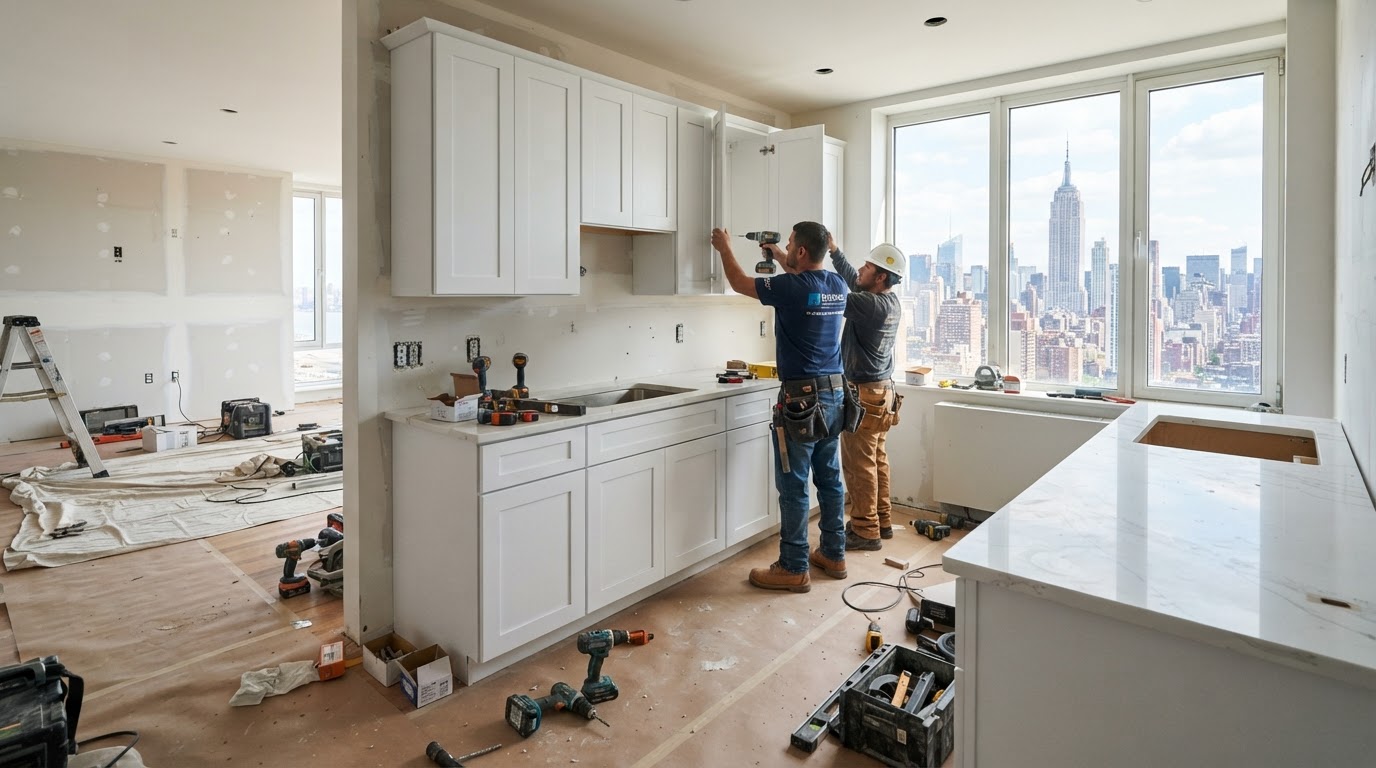
Many Manhattan apartments are in co-op or condominium buildings, and each has its own renovation process. This is one of the biggest differences between Manhattan home remodeling and renovating a standalone house.
Co-op boards typically require an alteration agreement before construction begins. This document outlines approved renovation plans, contractor insurance requirements, construction schedules, permitted working hours, protection of hallways and elevators, debris removal procedures, and deposits or restoration obligations. Some buildings also require architectural or engineering review before granting approval.
Condominiums generally have their own management approval process, which may differ from a co-op's. A common mistake is assuming that a NYC Department of Buildings (DOB) permit means construction can begin — in reality, city approval and building approval are separate processes. Request your building's renovation package early and review the alteration agreement, house rules, and insurance requirements with your contractor so issues are identified before they cause delays.
4. Verify Credentials, Insurance, and Documentation
Before signing a renovation contract, verify the contractor's credentials and documentation. Depending on the scope and location of your project, different permits, licenses, insurance policies, approvals, and building requirements may apply. A reputable contractor should be transparent about the documentation relevant to your renovation.
Ask to see applicable business and contractor credentials, general liability insurance, workers' compensation coverage, project-related permits when required, references from previous clients, and written contracts and estimates. Don't hesitate to ask questions if you don't understand a particular document. A professional renovation company should be willing to explain its process rather than making you feel uncomfortable for asking.
5. Research Reviews and Previous Projects
Online reviews can provide useful insight into a contractor's reputation, but don't rely on ratings alone. Look for patterns in customer feedback — pay attention to comments about communication, scheduling, workmanship, cleanliness, transparency, and how the contractor handled unexpected problems.
Reviewing a contractor's previous projects helps you determine whether their experience matches the type of renovation you're planning. Someone planning a complete house renovation may want a contractor experienced in managing multiple stages of construction rather than one who primarily handles small cosmetic improvements. When possible, ask for references from previous clients with projects comparable to yours.
6. Get a Detailed Written Estimate
Cost is naturally one of the biggest considerations when planning a renovation. However, choosing a contractor simply because they provide the lowest estimate can create problems later. An unusually low quote may not include important aspects of the project, or it may be based on assumptions that haven't been clearly discussed.
Ask each contractor for a detailed written estimate. Depending on the project, it may address labor, materials, demolition, disposal, permits, fixtures, finishing work, project management, estimated timeline, and potential additional costs. A detailed estimate makes it easier to understand what you're actually paying for and lets you compare proposals based on scope rather than a few large numbers.

7. Pay Attention to Communication
Good communication can make a major difference during a renovation. Construction projects rarely proceed without questions or unexpected developments — materials can become unavailable, hidden conditions can surface after demolition, or a building requirement can affect the original plan. That's why communication should be evaluated before the project begins.
Ask how your contractor normally communicates with clients. Will you receive regular updates? Who will answer your questions? Who will supervise workers at the property? How will changes to the project be documented? A contractor who communicates clearly from the start is more likely to set realistic expectations about cost, scheduling, materials, and project scope.
8. Understand the Project Timeline
A renovation can disrupt your daily routine, so understanding the expected timeline is important. Ask your contractor to explain the major stages and provide an estimated completion schedule. A typical renovation may involve initial consultation and planning, design and material selection, permitting and approvals, demolition, structural or mechanical work, electrical and plumbing work, installation, flooring and finishing, painting, and final inspection and cleanup.
The exact schedule depends on the size and complexity of your renovation. For Manhattan homeowners, building rules and access restrictions can also affect scheduling. Discuss these issues before work begins so you have a realistic understanding of the process.
9. Ask Who Will Actually Perform the Work
It's important to understand who will be working on your property. Some contractors use employees, while others work with subcontractors or a combination of both. Neither arrangement automatically determines quality, but you should know who is responsible for each part of your project.
Ask who will supervise the renovation, which trades will be involved, whether subcontractors are used, who will be your primary point of contact, and who coordinates the different trades. Clear responsibility helps prevent confusion when multiple specialists are involved. For a larger project, effective coordination is especially important because several trades may need to work in a specific sequence.
10. Don't Ignore the Contract
A written contract is one of the most important parts of a renovation project. Before signing, make sure the agreement clearly explains the scope of work, payment schedule, estimated timeline, materials, responsibilities, and procedures for changes.
Pay particular attention to how unexpected work will be handled. Older Manhattan properties may contain conditions that aren't visible before walls or floors are opened. If additional work becomes necessary, you should understand how the contractor will communicate the issue and obtain approval before proceeding. Never rely solely on verbal promises — if something matters to you, make sure it's documented.
11. Consider Quality, Not Just Price
Renovation is a significant investment, so it's understandable to look for ways to control costs. However, the cheapest proposal isn't necessarily the most economical choice over the long term. Poor workmanship can lead to repairs, replacement costs, delays, and additional disruption. Quality materials and skilled installation may require a higher initial investment, but they can contribute to a more durable result.
Instead of asking only how much does it cost, consider asking what exactly am I receiving for that price. Compare the scope of work, materials, experience, communication process, project management, warranty information, and estimated timeline. This gives you a more complete picture when evaluating renovation proposals.
12. Think About Your Manhattan Property's Specific Needs
Every property is different, and Manhattan homes present particularly varied renovation requirements. A townhouse renovation may involve different considerations from an apartment remodel. A condominium may have building approval requirements, while a co-op may have its own rules and procedures.
Before construction begins, discuss your property's specific requirements with your contractor. Important considerations may include building rules, permitted working hours, elevator reservations, protection of common areas, material delivery procedures, waste removal, neighbor considerations, plumbing and electrical conditions, existing structural conditions, and required approvals. Planning around these factors helps reduce avoidable interruptions.
13. Choose a Contractor You Can Work With
Finally, remember that a renovation is a working relationship. You'll likely communicate with your contractor regularly throughout the project and make decisions about materials, finishes, scheduling, changes, and unexpected conditions. Look for someone who listens to your priorities, explains options clearly, answers questions, and treats your property with care. A good renovation relationship should make it easier to discuss problems when they arise.
Frequently Asked Questions
How do I find a reliable home renovation contractor in Manhattan?
Look for a contractor with documented Manhattan experience, verifiable licensing and insurance, recent references from similar projects, and a detailed written estimate. Pay attention to how clearly they communicate and whether they understand co-op and condo requirements before you sign anything.
How much does a home renovation cost in Manhattan?
Cost depends on the scope, size, materials, and the building's existing condition. A cosmetic update costs far less than a gut renovation involving plumbing, electrical, and structural changes. Always request an itemized, in-home estimate rather than relying on a generic online number.
Do I need a permit for home renovations in Manhattan?
It depends on the work. Cosmetic improvements like painting may not require a DOB permit, but plumbing, electrical, structural, or layout changes typically do. Co-op and condo buildings also have their own approval processes separate from the city's. Confirm requirements with your contractor and building management before starting.
How long does an apartment renovation take in Manhattan?
A minor update may take a few weeks, while a full gut renovation can take several months. Building access restrictions, permit approvals, material lead times, and unexpected conditions behind walls all affect the timeline. Ask your contractor for a realistic schedule before work begins.
Can I renovate my Manhattan apartment while living in it?
Sometimes, but it depends on the scope and your building's rules. Minor work may be manageable, but a full renovation with demolition, dust, and limited water or power is disruptive. Many homeowners temporarily relocate during major phases. Discuss logistics with your contractor and building management.
What should I ask a renovation contractor before hiring?
Ask about Manhattan experience, licensing and insurance, who handles permits and building approvals, what's included in the estimate, the expected timeline, how change orders work, and whether you can see comparable completed projects. Clear answers are a good sign; vague ones are a warning.
How do I compare home renovation estimates?
Compare the scope of work, materials, labor, permits, timeline, and exclusions — not just the bottom-line price. A much lower number often means something was left out. Make sure each estimate is itemized so you're comparing the same work.
Ready to Start Your Manhattan Home Renovation?
Finding the right renovation contractor doesn't have to be overwhelming. Start by defining your goals, researching relevant experience, verifying credentials, reviewing previous projects, comparing detailed estimates, and discussing communication and scheduling before signing a contract. Whether you're planning a small remodel or a complete transformation, choosing an experienced professional can help turn your renovation ideas into a practical project plan.
If you're looking for a contractor for your Manhattan property, learn more about our House Renovation Contractor Manhattan, NY services, or explore our Custom Decks Manhattan and Wood Fence Installation Manhattan options. You can also read our guide to choosing the right general contracting services for more detailed advice.
Ready to take the next step? Request a free estimate and our team will respond within one business day, or call us directly at (631) 839-6476. No obligation, no pressure — just honest advice from your local contractor serving Manhattan and the greater NYC area.
Ready to start your project?
Get a free estimate from Dougy Construction — NYC's trusted deck, fence, and renovation specialists.