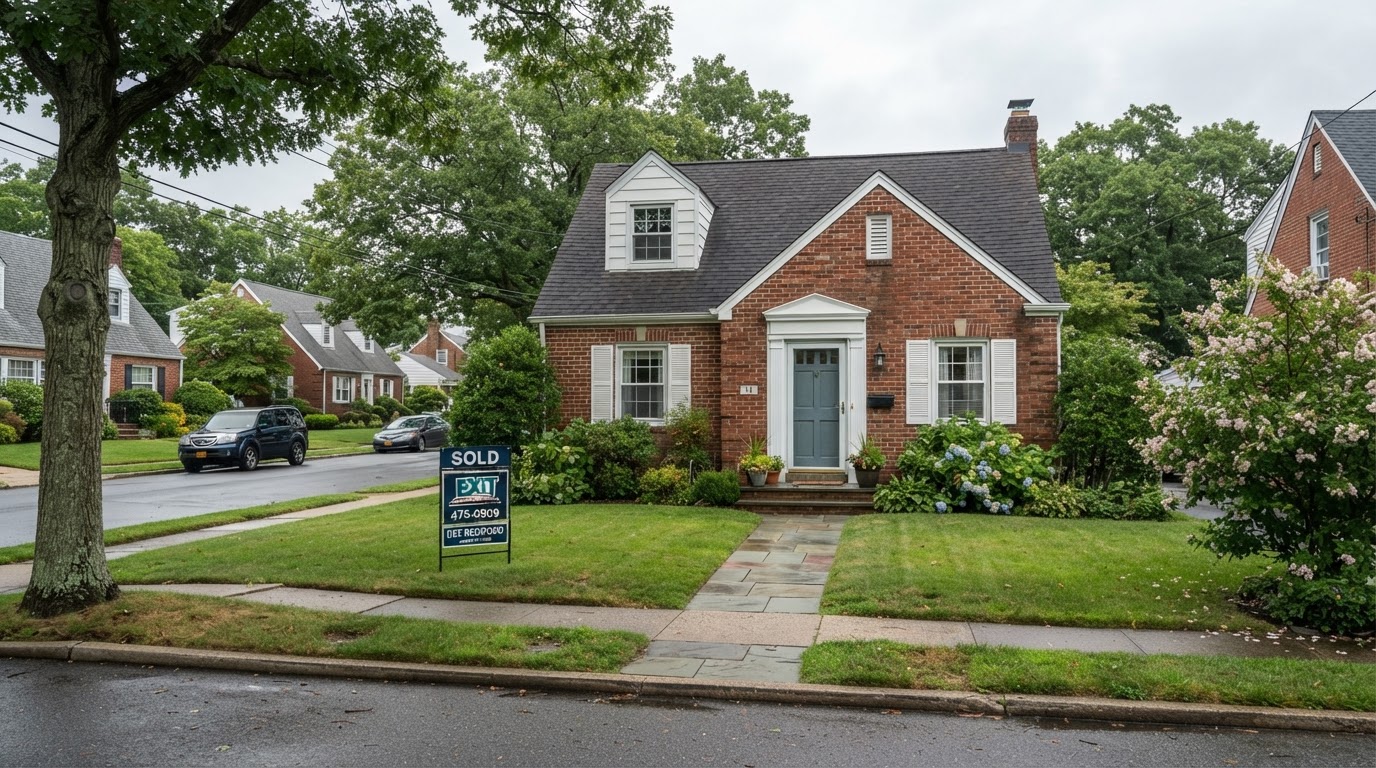
How Much Does a Full House Renovation Cost on Long Island in 2026?
Planning a whole house renovation on Long Island? See real 2026 cost ranges, per-square-foot pricing, Nassau County factors, and how to budget without surprise change orders.
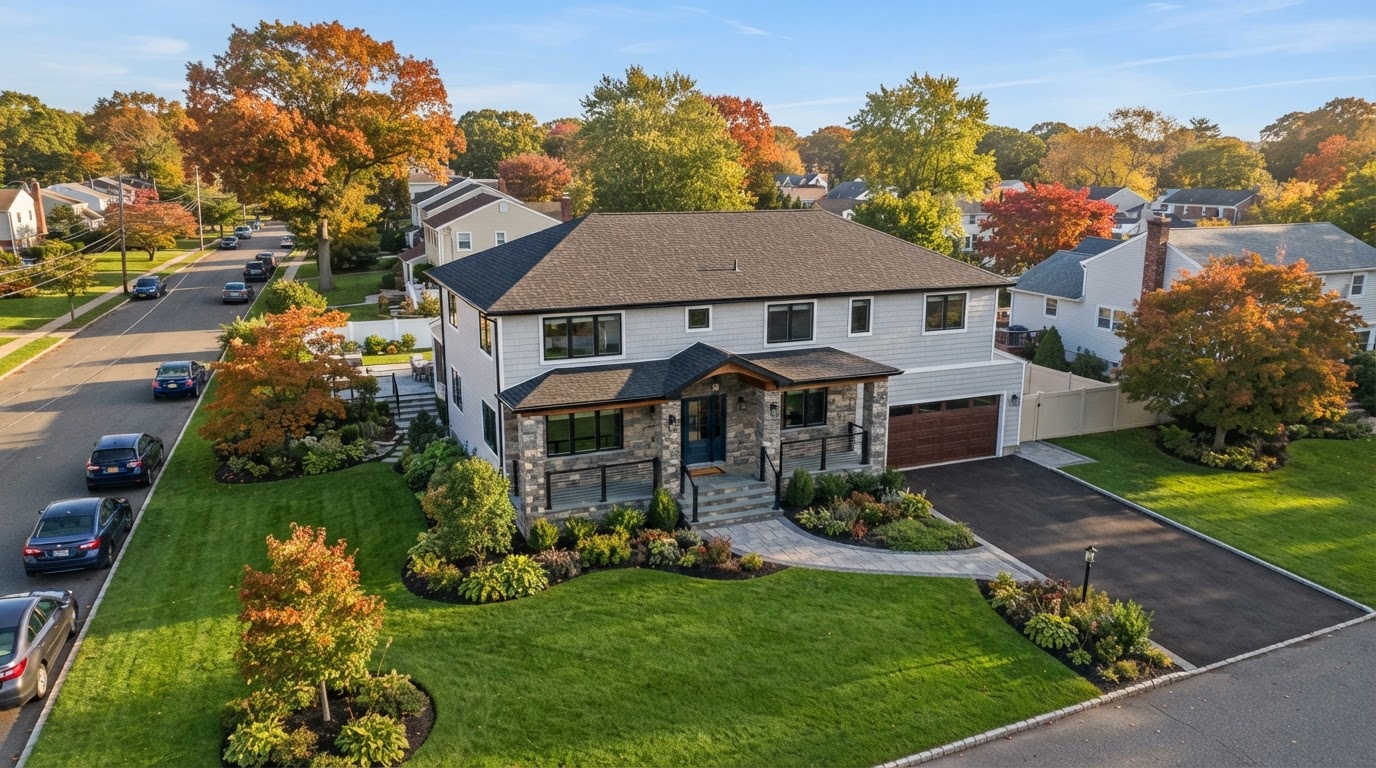
Renovating your entire home is an exciting prospect. Maybe your kitchen feels cramped, your bathrooms have seen better days, or your once-perfect family home no longer fits the way you live. You love your neighborhood, but you want a home that feels more comfortable, functional, and modern.
Then comes the big question: How much does a whole house renovation cost on Long Island in 2026?
The honest answer is that it depends on your home's condition, the scope of the renovation, and the level of finishes you want. A project that updates several rooms while keeping the existing layout will have a very different budget from a complete gut renovation involving new plumbing, electrical systems, structural changes, and custom finishes.
Long Island also has its own cost considerations, including local labor rates, permitting requirements, and the condition of its older homes. Understanding these factors before you begin can help you make informed decisions, avoid unexpected expenses, and determine whether your renovation plans are financially realistic.
In this guide, we'll break down typical renovation costs, explain what affects your budget, and show you how to approach your project with greater confidence. If you're planning a complete home transformation, our house renovation services can walk you through the entire process from estimate to final walkthrough.
What Is the Average Whole House Renovation Cost on Long Island?
For planning purposes, a whole-house renovation on Long Island can range from approximately $150,000 for a selective renovation to $500,000 or more for a comprehensive remodel with substantial upgrades. Costs can vary considerably depending on the property and project requirements. Recent regional cost guides illustrate how significantly scope and finish selections affect the final investment.
Here's a general breakdown to help you understand where your project might fit:
Renovation Scope vs. Estimated Project Cost
| Renovation type | Estimated project cost | Typical scope |
| --- | --- | --- |
| Selective whole-house renovation | $100,000–$200,000 | Updates to multiple rooms, flooring, paint, and selected fixtures |
| Midrange full renovation | $200,000–$350,000 | New kitchen and bathrooms, broader interior updates, and selected system upgrades |
| Comprehensive gut renovation | $350,000–$500,000+ | Extensive demolition, updated systems, layout changes, and upgraded finishes |
These figures are preliminary budgeting ranges, not contractor quotes or guaranteed market prices. A smaller home with straightforward improvements may cost less, while a larger property with structural modifications or premium finishes can exceed these ranges.
The most important distinction is what the renovation includes. Two homeowners with similarly sized houses can receive very different estimates because one is refreshing existing rooms while the other is rebuilding much of the interior.
Before settling on a budget, define what you want to change, what can remain, and which improvements are essential.
Full House Renovation Cost in Nassau County
If you're researching the full house renovation cost in Nassau County, it's worth looking beyond national averages.
Nassau County is part of the greater New York metropolitan area, where construction labor, materials, and project coordination can make extensive renovations expensive. The age and condition of the local housing stock can also influence the amount of work required.
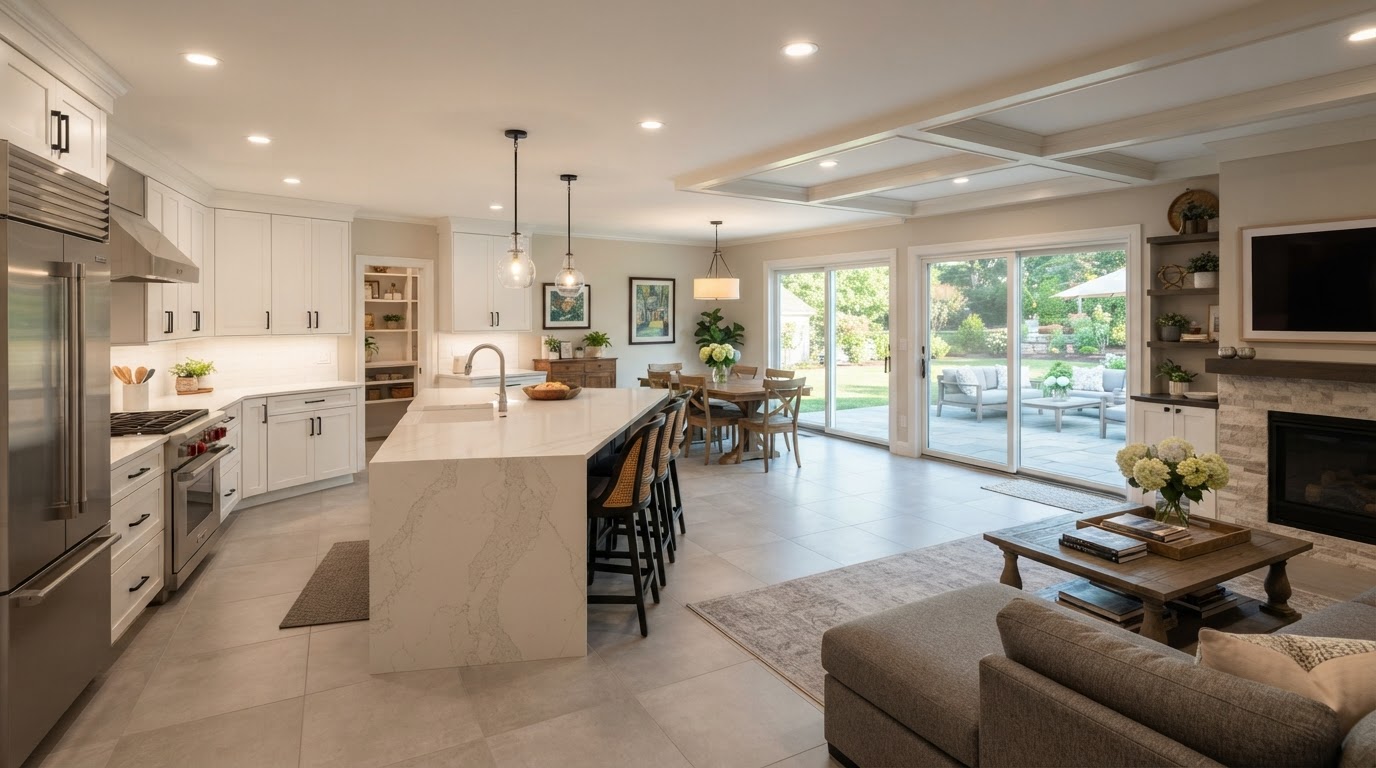
For initial planning, a selective whole-house renovation may fall around $100,000–$200,000, while a more extensive project can reach $200,000–$400,000 or more. A full gut renovation involving significant system replacements, structural changes, and higher-end finishes may cost substantially more. These ranges should be refined after a property-specific assessment.
Several factors can influence your Nassau County renovation budget:
**Local labor and material costs:** Experienced tradespeople, specialized installations, cabinetry, tile, and other finish materials all contribute to the overall investment.
**Existing home conditions:** Older electrical wiring, aging plumbing, deteriorated framing, and hidden water damage can create additional work once demolition begins.
**Permits and approvals:** Requirements vary by municipality and project scope. Structural alterations, additions, and certain electrical or plumbing changes may require permits or other approvals.
**Property-specific restrictions:** Some projects may involve village requirements, historic considerations, or site conditions that affect design and construction.
The best approach is to evaluate your specific property rather than rely on a single countywide price. A renovation estimate should reflect the actual home, the proposed work, and the approvals that may be necessary.
What Is the Long Island Gut Remodel Cost Per Square Foot?
One of the most common ways homeowners estimate renovation budgets is by calculating the cost per square foot.
The Long Island gut remodel cost per sq ft depends on how extensively the home is being rebuilt, whether major systems need replacement, and the quality of the finished spaces.
For preliminary planning, some regional guides place broad whole-house renovation costs around $100–$300 per square foot, with comprehensive gut renovations potentially reaching $250–$500 or more per square foot. These figures reflect different scopes of work and should not be treated as interchangeable estimates.
Consider a hypothetical 2,000-square-foot home:
Cost Per Square Foot vs. Construction Budget (2,000 sq ft)
| Cost per square foot | Illustrative construction budget |
| ---: | ---: |
| $125 | $250,000 |
| $175 | $350,000 |
| $250 | $500,000 |
| $350 | $700,000 |
These calculations illustrate how square footage affects the budget. They do not establish what a particular property will cost to renovate, and they may not include every project expense.
For example, a house that needs new flooring, paint, updated fixtures, and a refreshed kitchen may require considerably less work than a property stripped to the framing with new electrical, plumbing, insulation, HVAC, and reconfigured rooms.
Also, check what's included in any per-square-foot estimate. Design services, engineering, permits, demolition, disposal, appliances, and contingency allowances may be treated differently by different contractors.
**Use the square-foot calculation as a starting point, not your final budget.** A detailed assessment is the more reliable way to determine the likely cost of your renovation.
What Factors Have the Biggest Impact on Renovation Costs?
When planning a full-house renovation, certain decisions tend to influence the budget more than others.
1. Kitchen and Bathroom Renovations
Kitchens and bathrooms are often among the most expensive areas to renovate because they combine cabinetry, plumbing, electrical work, fixtures, surfaces, and specialized installation.
Keeping the existing layout may help control costs. Moving sinks, showers, toilets, or major appliances can require additional plumbing, electrical, and construction work.
Custom cabinetry, natural stone, premium fixtures, and elaborate tile installations can also increase the investment.
2. Structural Changes and Layout Modifications
Opening a room, removing a wall, changing a staircase, or reconfiguring an entire floor can require engineering, structural reinforcement, and additional approvals.
If your current layout already works reasonably well, retaining it may free up more of your budget for finishes and other improvements. However, if the layout is the main reason your home no longer works for your family, addressing it early can help prevent expensive redesigns later.
3. Electrical, Plumbing, and HVAC Upgrades
The systems behind your walls are easy to overlook when you're focused on the finished appearance of your home.
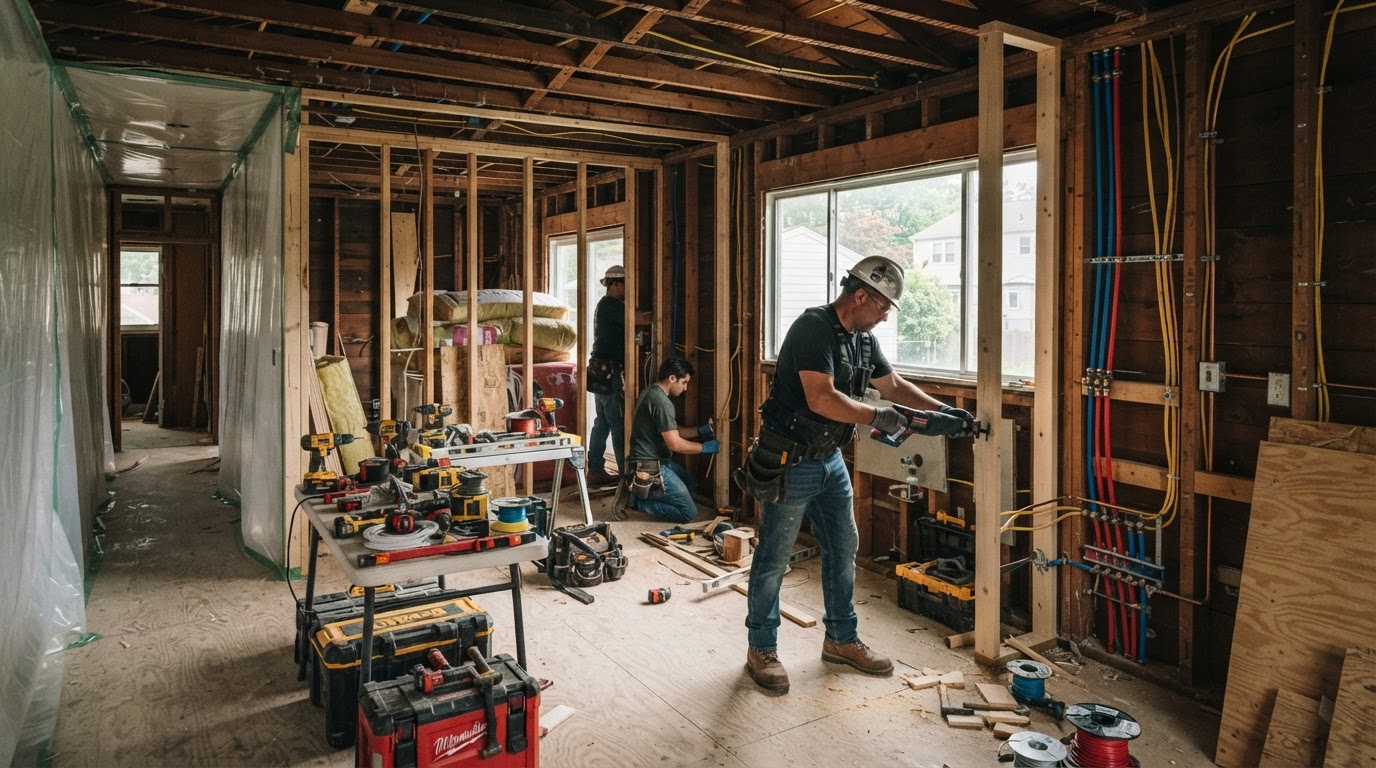
During a gut renovation, an electrician may identify outdated wiring, a plumber may find deteriorated pipes, or an HVAC assessment may reveal that the existing system needs replacement.
These discoveries can affect the scope, schedule, and budget. Discussing the home's age, maintenance history, and known problems with your renovation team can help identify areas that need closer investigation.
4. Finish Materials and Fixtures
Flooring, countertops, cabinetry, windows, lighting, doors, and bathroom fixtures all offer different price points.
Choosing premium materials throughout the entire house can add up quickly. On the other hand, mixing high-impact upgrades with practical, durable materials can help you achieve a polished result without overspending on every room.
5. Permits, Design, and Project Coordination
Depending on the scope, your project may require architectural drawings, engineering, permit applications, inspections, and coordination among several trades.
The applicable requirements depend on the municipality and the work being performed. Confirm these details before construction begins rather than assuming that every project follows the same approval process.
How to Budget for a Full House Renovation Without Unpleasant Surprises
A renovation budget should account for more than the price of construction. Planning for the complete project helps you make decisions with fewer surprises along the way.
Here are five practical steps to consider before hiring a contractor.
**Start with a clear scope of work.** Make a list of the rooms you want to renovate, the improvements you consider essential, and the upgrades that would be nice to have. This gives your contractor a clearer starting point and makes competing estimates easier to compare.
**Establish your priorities.** If your kitchen needs a complete overhaul but your bedrooms only need fresh paint and flooring, allocate your budget accordingly. You don't have to spend the same amount on every room to achieve a cohesive result.
**Include a contingency allowance.** Consider setting aside approximately 10%–20% of your construction budget for unforeseen conditions, especially if you're renovating an older home. The appropriate allowance depends on the property's condition and how much of the existing structure will be exposed. This reserve is not a substitute for a thorough estimate, but it can help you manage unexpected expenses.
**Clarify what's included in the estimate.** Ask whether demolition, debris removal, design fees, permits, materials, appliances, and finish installations are included. A lower initial quote may not represent a lower total cost if important items are excluded.
**Plan for the disruption.** A comprehensive renovation can affect your family's daily routine for months. Discuss the anticipated construction schedule, material lead times, access to the property, and whether you'll need temporary accommodation.
The goal isn't simply to spend less. It's to understand where your money is going and make sure your investment supports the results you actually want.
How to Choose the Right Home Renovation Contractor on Long Island
Choosing a home renovation contractor on Long Island is one of the most important decisions you'll make during the renovation process.
A contractor does more than coordinate construction. The right professional helps translate your ideas into a workable scope, identifies potential challenges, communicates cost implications, and keeps the different stages of the project moving in the right direction.
Before making your decision, consider the following.
**Look for relevant experience.** Ask about completed whole-house renovations that are comparable in size, age, and complexity to your property. Experience with older Long Island homes can be particularly valuable when planning work that involves existing electrical, plumbing, or structural systems.
**Verify credentials and insurance.** Confirm applicable licensing requirements for your location and project, and request proof of appropriate insurance. Nassau County has its own home improvement contractor licensing requirements, while other municipalities may have additional rules.
**Request a detailed written proposal.** Your estimate should describe the work, identify allowances where applicable, and explain how changes will be priced. You should understand what you're agreeing to before signing a contract.
**Ask how unexpected problems are handled.** Find out how the contractor documents concealed damage, communicates additional costs, and obtains approval for changes before proceeding.
**Check references and communication practices.** Speak with previous clients about the contractor's reliability, workmanship, and responsiveness. A clear communication process matters when decisions need to be made throughout construction.
Most importantly, choose a contractor who is willing to discuss your budget honestly. You should feel comfortable asking questions and understanding the reasoning behind the proposed scope and costs. You can explore our complete house renovation services to see how we approach a full-home project from planning through final walkthrough.
Is a Whole House Renovation Worth the Investment?
For many Long Island homeowners, renovating an existing property can be an attractive alternative to moving.
You may already have the location you want, a convenient commute, established relationships with neighbors, and a home that holds sentimental value. A thoughtful renovation can help you enjoy those advantages while making the property more suitable for your current needs.
However, the financial decision deserves careful consideration.
Compare the expected renovation investment with the cost of purchasing another property, including closing costs, moving expenses, and any improvements the new home might need. Consider the condition of your existing home, your plans to stay in the neighborhood, and how the proposed improvements align with comparable properties.
Not every renovation will deliver the same financial return. Highly personalized finishes or expensive structural changes may improve your daily experience without adding equivalent resale value.
The best renovation plan balances practical improvements, personal priorities, long-term maintenance, and realistic financial expectations.
Why a Comprehensive Project Feasibility Review Matters
Before committing to a major renovation, it's worth taking a step back and asking a fundamental question: Does the project make sense for your home, your goals, and your budget?
A Comprehensive Project Feasibility Review can help you approach that decision systematically. Rather than jumping straight into material selections or construction quotes, use the review to examine the project as a whole.
Depending on the services offered, this process may include:
**Scope evaluation:** Identify the improvements required to achieve your goals and distinguish essential work from optional upgrades.
**Preliminary budget planning:** Establish an initial investment range based on the home's size, condition, and intended renovation scope.
**Property considerations:** Identify potential structural, mechanical, or site-related issues that may warrant further investigation.
**Design and approval considerations:** Determine whether architectural, engineering, zoning, or permitting questions need to be resolved before construction.
**Project planning:** Consider sequencing, material selections, scheduling, and other factors that may influence the final investment.
A feasibility review is not a substitute for a detailed construction estimate or required professional inspections. Its purpose is to help you understand the project more clearly before making significant financial commitments. For homeowners considering a full-house renovation on Long Island, that early clarity can make the entire planning process more manageable.
Whole House Renovation Costs on Long Island: FAQs
How much does a whole house renovation cost on Long Island in 2026?
A selective whole-house renovation may cost around $100,000–$200,000, while a more comprehensive project can range from $200,000 to $500,000 or more. The final price depends on square footage, existing conditions, structural work, system upgrades, and finish selections.
What is the full house renovation cost in Nassau County?
For preliminary budgeting, a selective renovation may fall around $100,000–$200,000, with more extensive projects reaching $200,000–$400,000 or more. Major gut renovations and premium finishes can increase the total. An assessment of the individual property is necessary for a more reliable estimate.
What is the Long Island gut remodel cost per sq ft?
Broad planning figures range from approximately $100–$300 per square foot for various whole-house renovations, while extensive gut renovations may reach $250–$500 or more per square foot. These ranges overlap because project scopes differ significantly.
How long does a full house renovation take?
The timeline depends on the scope, property condition, approvals, and availability of materials and trades. A substantial renovation may take several months, while a complex gut renovation can take considerably longer. Ask your contractor for a project-specific schedule.
Should I renovate my entire home at once or in phases?
Renovating everything together may allow more efficient coordination when multiple rooms share plumbing, electrical, or structural work. Phasing can spread costs over time but may introduce repeated setup expenses and additional disruption. The better option depends on your budget, priorities, and project requirements.
How can I get an accurate renovation estimate?
Start by defining your goals and gathering information about your home. Then arrange a property assessment with a qualified contractor who can evaluate the scope, identify potential challenges, and prepare a detailed proposal.
Plan Your Long Island Home Renovation With Confidence
A whole-house renovation is a significant investment, and getting the budget right starts well before construction begins.
Understanding regional costs, evaluating the condition of your property, prioritizing improvements, and choosing the right contractor can help you avoid common planning mistakes. Most importantly, you don't need to have every design decision finalized before exploring whether your project is feasible.
**Ready to understand what's possible for your home?**
Call today to schedule a Comprehensive Project Feasibility Review. Discuss your renovation goals, explore preliminary budget considerations, and determine the next steps toward a home that better fits your lifestyle.
The first step isn't choosing the perfect countertop or knocking down a wall. It's understanding your project well enough to make the right decisions from the beginning. Learn more about our whole house renovation services and request your free estimate today.
**Call (631) 839-6476 · Dougy Construction — 13 E Maple St, Valley Stream, NY 11580**
Ready to start your project?
Get a free estimate from Dougy Construction — NYC's trusted deck, fence, and renovation specialists.